


Key Takeaways
- Advanced neural voice transformation lets developers produce compelling voice tracks without recording equipment.
- Using a best voice changer AI for real-time streaming, post-production dubbing, and multi-character narration has never been easier.
- Speech-to-speech models preserve the original human inflexions, pacing, and tone much better than standard pitch-shifters.
- Production quality is best when you combine fully automatic AI voice conversion with some equalisation and noise suppression.
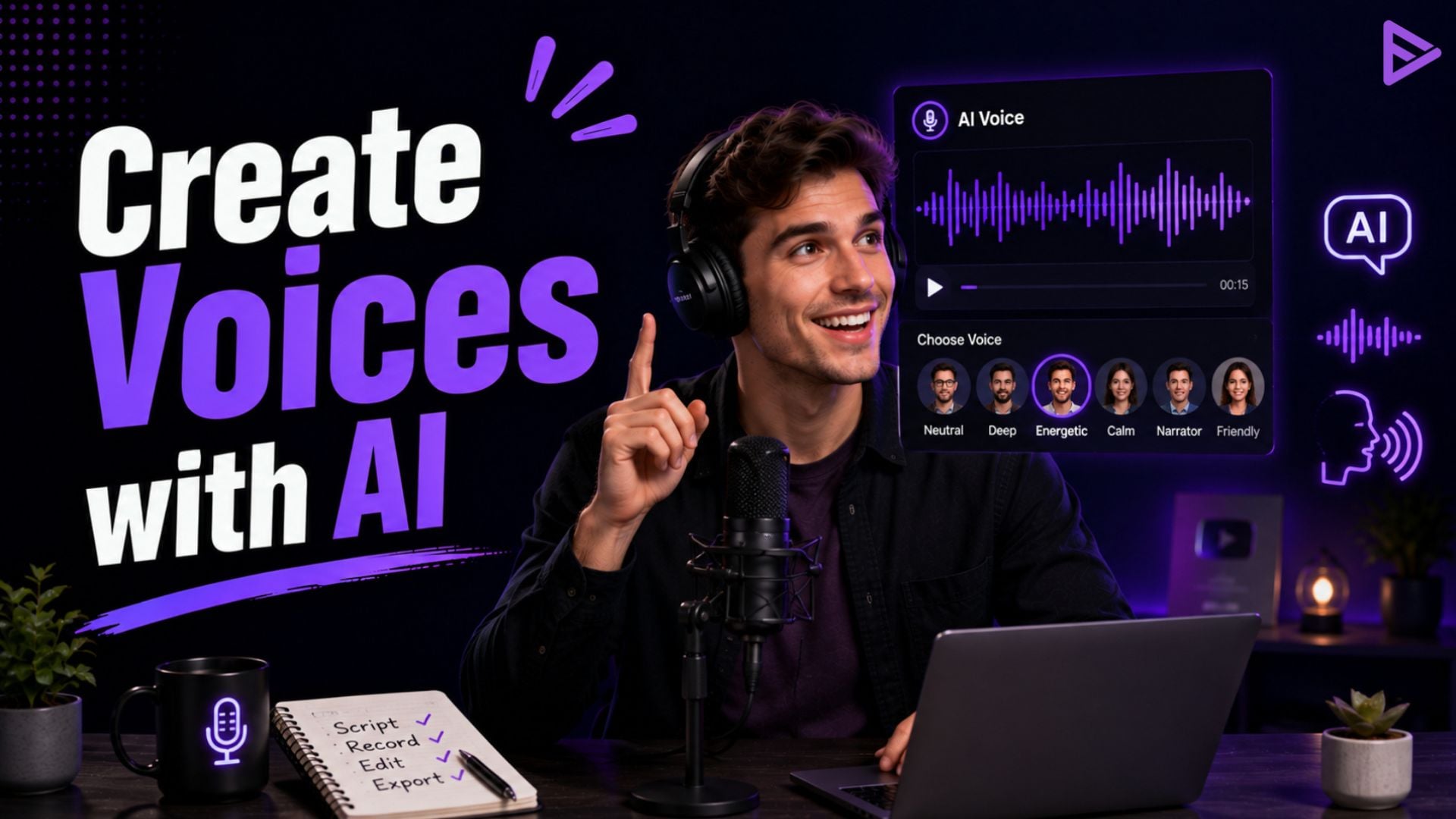
The best AI voice changer tools in 2026 let creators generate realistic voiceovers, transform voices instantly, and produce studio-quality audio. Today’s creators can achieve professional audio output without costly studios or actors. Thanks to speech-to-speech conversion and generative AI, they can easily change pitch, tone, and character voices. Once your audio is finished and polished, platforms such as VeeFly can help distribute your videos, putting them in front of audiences more likely to watch. Hence, the extra production value translates into more views and watch time.
As said by Bernard Marr, AI strategist and bestselling technology author, “The biggest advantage of AI voice conversion isn’t replacing creativity. It’s removing technical barriers so creators can focus on storytelling rather than production complexity.”
The best AI voice changer solutions are great for replacing voiceovers, creating consistent personas, and even supporting localisation. The best AI voice changer app also features real-time voice change, precise lip-sync, and background noise elimination in the output.
Best AI Voice Changer Tools for Video Creators in 2026
Voice transformation has evolved far beyond simple pitch shifting or robotic voice effects. Modern AI voice changers use deep learning models trained on vast speech datasets to analyse vocal characteristics such as pitch, tone, timbre, cadence, and emotional expression. An AI voice processor can then transform a recording into a different voice while preserving natural speech patterns and clarity. This enables creators to produce realistic voiceovers, multilingual content, and character voices more efficiently, reducing production time without compromising audio quality.
Why Do Video Creators Use AI Voice Changers?
Manual audio editing, pitch correction, and dubbing are time-consuming, and equaliser and formant processing can create robotic sounds or artefacts. AI-based voice modification enables real-time acoustic resynthesis in under 1 second. This enables content creators, such as filmmakers, YouTubers, and social media managers, to create multi-character content, salvage ruined audio takes, or dub videos into multiple languages without having to re-record.
Best AI Voice Changer Software for Content Creators in 2026
Find out the top AI voices that assist authors in changing narration, voicing voices, localising materials, as well as generating quality sound effortlessly. Below are the best free AI voice changers available in 2026.
- Voicemod: A great real-time voice changer with ultra-low latency, custom keybinds, and an integrated soundboard for streamers and gamers.
- ElevenLabs: The state-of-the-art for voice design, hyperrealism, instant voice cloning, and emotionally precise multilingual video dubbing.
- Murf.ai: An all-in-one studio platform for creators, such as explainer videos, presentations, and commercial voiceovers.
- Voice.ai: A community-centric system that allows you to access the largest collection of user-created voices and convert speech in real time.
- Kits AI: Built for music producers and video creators who want studio-quality vocal conversion and custom AI voice training.
How to Use AI to Change Your Voice in Videos?
In a post or live stream with AI, you just have to run a simple process:
- Pick an AI Voice Tool: Choose a dedicated web, desktop, or mobile app designed for speech-to-speech conversion.
- Upload Your Source Audio or Video: Drag and drop your video file (MP4 / MOV) or audio file (WAV / MP3) into the editor.
- Choose Your Target Voice Persona: Pick an age, gender, accent, or synthetic persona model from the voice library.
- Run AI Voice Transformation: Let the neural engine analyse the vocal formants and generate the modified speech.
- Adjust Audio Settings: Use pitch shift, formant offset, noise gate, and room reverb to match the voice to the scene’s environment.
- Export the Rendered Track: Save the processed audio or resynced video file with high quality.
What Do the Figures Indicate?
According to audio-processing benchmarks in current DAWs, AI-based voice conversion can reduce vocal dubbing production time by up to 85% while retaining more than 92% of natural vocal realism compared to traditional pitch-modulation solutions.
|
Production Aspect
|
Traditional Manual Editing
|
AI-Assisted Voice Conversion
|
Performance Gain
|
| Processing Speed | 45–90 mins per voice track | 10–30 seconds per track | 90%+ faster delivery |
| Vocal Realism | 45–60% natural sound | 88–95% natural sound | +35% higher fidelity |
| Multi-Character Setup | High cost (multiple actors) | Low cost (instant preset swap) | 80%+ budget savings |
5 Pitfalls to Avoid When Transforming Voices with AI
Although vocal transformation AI makes things easier in general, it’s important to note that to create clean and professional audio tracks, you must avoid technical errors:
- Expecting Magic Over Low-Quality Inputs: Processing audio captured with low-quality microphones in a noisy room makes it harder for an AI to identify clean vocal formants accurately.
- Not Considering Room Acoustics and Ambient Sound: Not applying noise suppression before voice conversion can create strange metallic artefacts in the output audio.
- Overdoing Extreme Pitch Changes: Pushing vocal models far outside their natural pitch ranges makes the output sound artificial and unnatural.
- Using Real-Time Tools for High-Fidelity Studio Dubbing: Real-time desktop overlays are built for low latency during streams, whereas offline rendering tools provide superior vocal quality for video editing.
- Over-Processing with Excessive Equalisation: Apply heavy compression or an unnatural treble boost on top of a rendered AI voice, and you start to lose subtle human inflexions.
Final Thoughts
The best AI voice changers have become a necessity for production teams that want seamless narration, multilingual dubbing, gaming voices, or character audio at scale. Authentic voice-altering technology with strong narration, combined with the right distribution, helps videos make the impact they need.
Frequently Asked Questions
Q1. What is the finest AI voice changer for YouTube creators?
The best AI voice changer depends on your workflow. ElevenLabs is best for realistic voiceovers, Voicemod for broadcasting and gaming, and Murf AI is known for business videos and professional voiceovers.
Q2. Can AI voice changers create several voice characters?
Yes, modern AI voice changers can create multiple voice characters from a single recording by modifying tone, pitch, accent, and speaking style.
Q3. Can I use AI voice on YouTube?
Absolutely, as long as the content meets YouTube’s Community Guidelines and monetisation policies, also, YouTube creators must report that the voice is synthetic or altered.
Q4. What features should I look for while choosing an AI voice changer?
Key features include a high-quality voice, low latency, support for multiple languages, emotion control, custom voice cloning, noise cancellation, and compatibility with editing software.
